SUMET - Urban Sustainability Responsibilities in the Mobility Electrification – Energy Transition Mineral Demand Nexus
Funders
This MSCA YUFE4 Postdoctoral Fellowship is funded by the European Union. Views and opinions expressed are however those of the author(s) only and do not necessarily reflect those of the European Union or REA (European Research Executive Agency). Neither the European Union nor the granting authority can be held responsible for them.
Leaders

SUMET supports sustainable and responsible urban mobility electrification by examining its connection to the demand for energy transition minerals. Energy transition minerals are essential for technologies enabling the energy transition, such as batteries used in electric cars and scooters. Examples of energy transition minerals include lithium, cobalt, nickel, copper, and aluminium. Some energy transition minerals are classified as critical raw materials.
Cities that invest e-mobility lower greenhouse gas emissions, reduce air and noise pollution, and create healthier public spaces.
This shift also increases demand for energy transition minerals that have become central to geopolitical contentions. The current patterns of resource use are unsustainable and are key drivers of the triple planetary crisis. Therefore, resource efficiency considerations need to guide urban mobility electrification.
SUMET explores how key actors in urban mobility electrification understand:
- Energy transition mineral demand
- The socio-environmental and geopolitical dynamics of energy transition mineral value chains
- The resulting responsibilities for urban sustainability
The project fosters shared reflection among urban planners, urban mobility entrepreneurs, raw material sector experts and other stakeholders and identifies solutions, tools, and ideas. It also offers opportunities for networking and collaboration to support sustainable and responsible urban mobility electrification.
Collaborators and Team
The project is implemented by the University of Eastern Finland’s RESOURCE Research Community, with the collaboration of the Maastricht Sustainability Institute at Maastricht University, and the SRC PHOENIX consortium.
SUMET currently collaborates on urban case studies with the Oslo Agency for Climate, Norway, the City of Tampere, Finland, and the City of Madrid, Spain.
Interested municipalities and urban regions are encouraged to contact Dr Diana Arbeláez-Ruiz to explore collaboration opportunities.
Team
The research team at UEF includes PI and MSCA YUFE4 Postdoctoral Fellow Dr Diana Arbeláez-Ruiz and supervisor Professor Rauno Sairinen. At Maastricht Sustainability Institute (Maastricht University), Professor Frank Boons acts as co-supervisor.
Project Stories
SUMET Project at IAIA26, Québec City, 20 May 2026
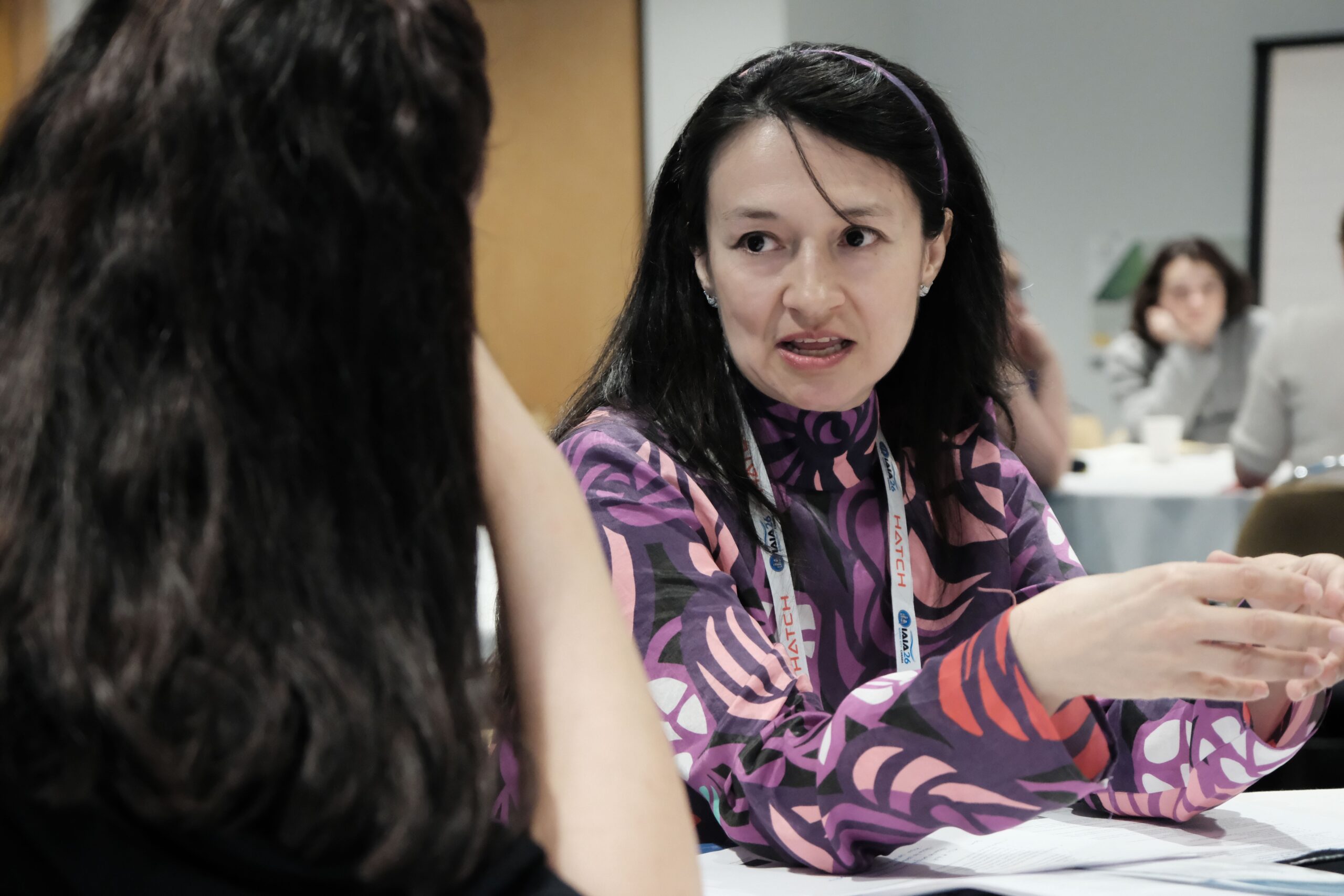
(Photo credit: courtesy of Sérgio Moreira)
Dr. Diana Arbeláez-Ruiz was invited to contribute to the “Justice in the Chain” session at the International Association for Impact Assessment (IAIA26) conference, held in Québec City. The session was co-organised by CREER (Centro Regional de Empresas y Emprendimientos Responsables) and the Danish Institute for Human Rights, bringing together researchers and practitioners working on responsible value chains.
Diana’s intervention focused on the role of human rights impact assessment (HRIA) in the context of urban e-mobility transitions. She highlighted how current debates on lithium value chains remain largely framed in upstream terms, while cities are increasingly central actors in shaping demand dynamics and governance challenges linked to electrification.
The presentation drew on ongoing research within the SUMET project and related collaboration with the Phoenix consortium. It explored how human rights approaches can be better aligned with the multi-scalar nature of energy transition mineral value chains, including their urban dimensions.
The session adopted an interactive caravan format, combining short, slide-free interventions with small-group discussions. Participants rotated between thematic tables, enabling direct and grounded exchanges.
The session was chaired by Viviana Arango (CREER), with Natalia Cuartas (Danish Institute for Human Rights) as co-chair. Contributions were also delivered by Joana Pedro (UNEP FI), Pedro Villela Capanema Garcia (Eletrobras), Vera Ogorodnikova (Community Insights Group), and Natalia Cuartas (Danish Institute for Human Rights).
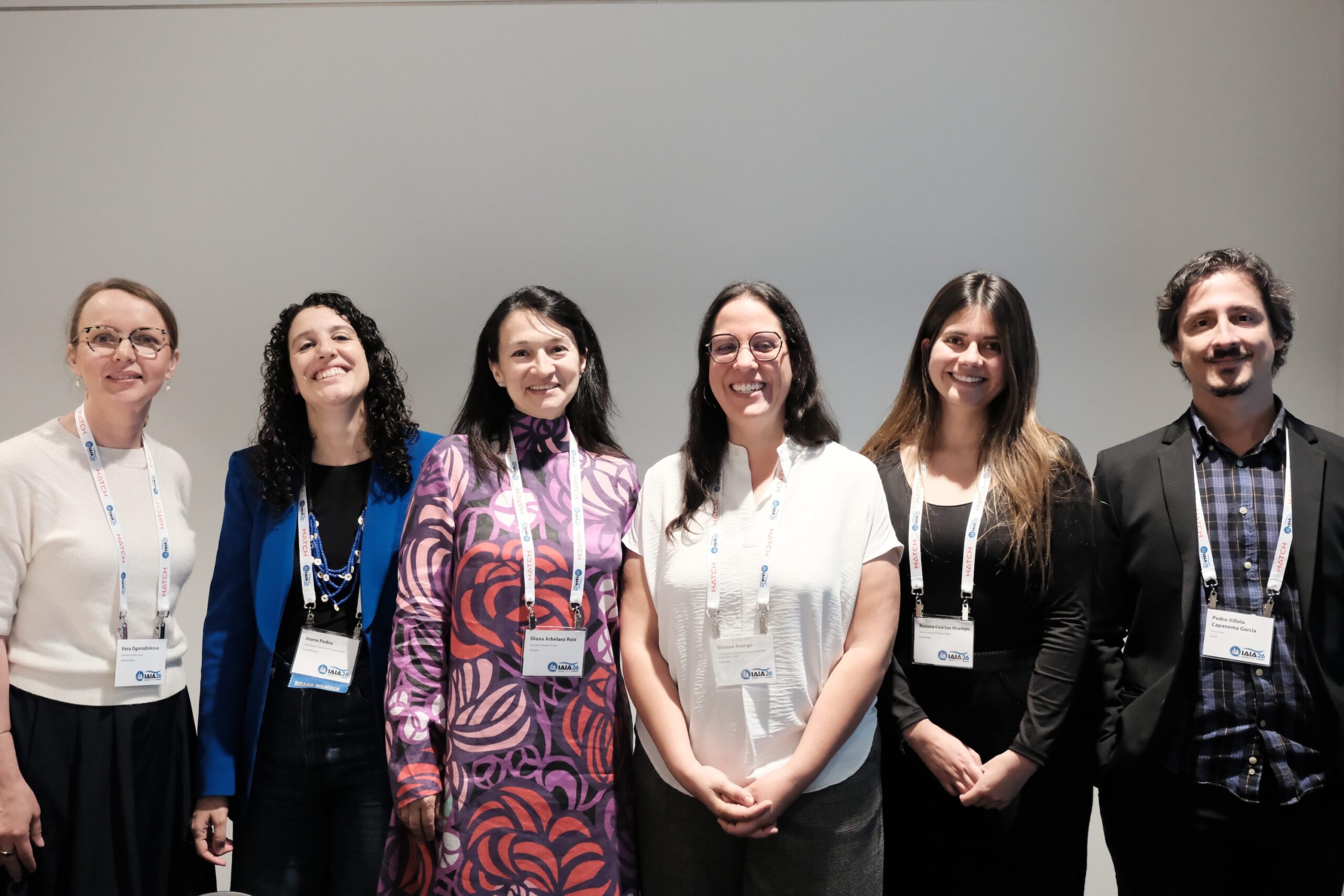
From left to right: Vera Ogorodnikova, Joana Pedro, Diana Arbeláez-Ruiz, Viviana Arango, Natalia Cuartas and Pedro Villela Capanema Garcia. Image credit: courtesy of Sérgio Moreira.
Project Stories
SUMET project presentation at the UNECE Sustainable Energy Week 2025
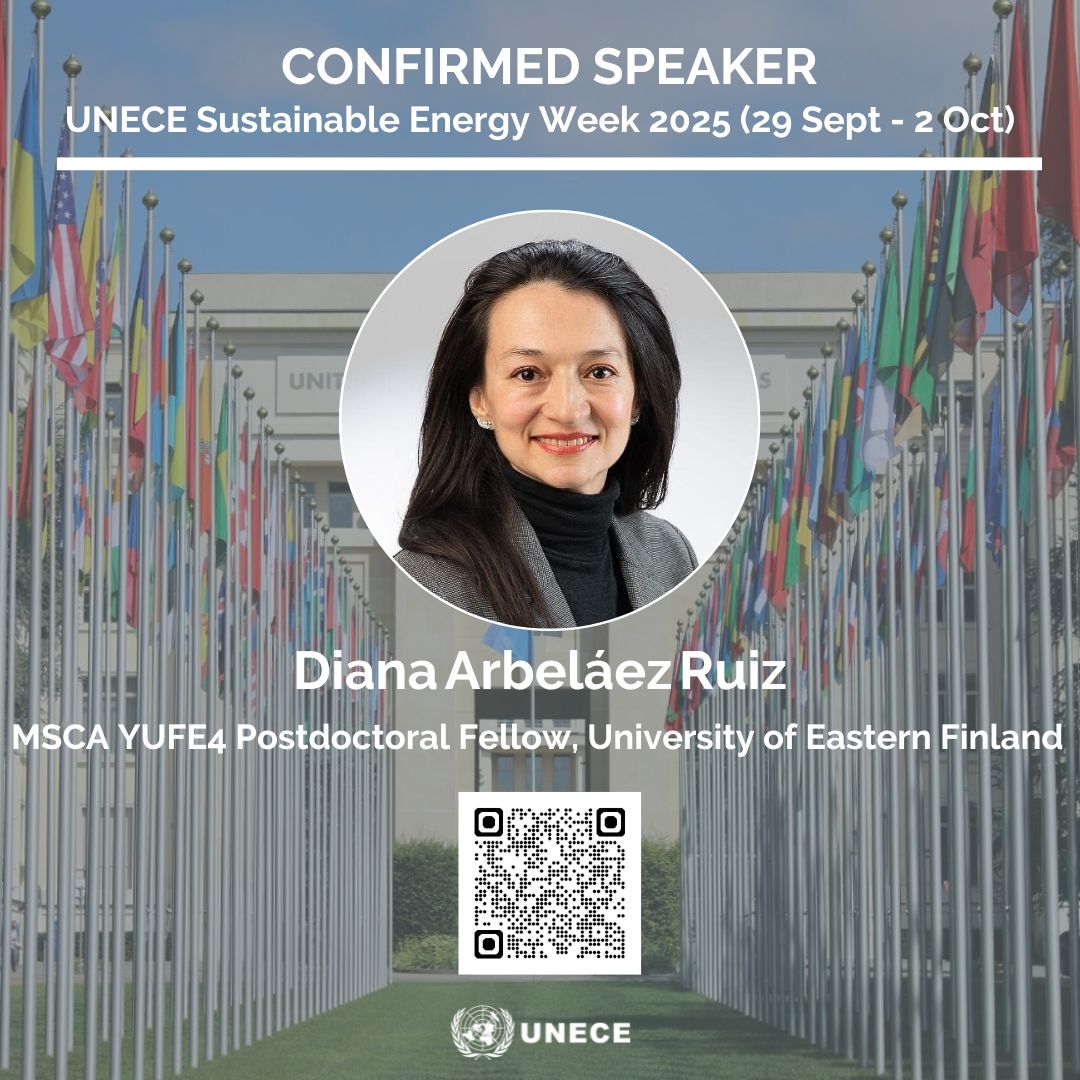
Dr Diana Arbeláez Ruiz presented preliminary research findings at the United Nations Economic Commission for Europe (UNECE) Sustainable Energy Week 2025. Her intervention took place during the 34th Session of the Committee on Sustainable Energy, in the segment on Sustainable Mobility as a Contributor to the Energy Transition: Examples and Case Studies – Sectoral Perspectives.
You can read the full text of the intervention here, or listen to the audio recording published by UNECE on the UN website.
Previous Events
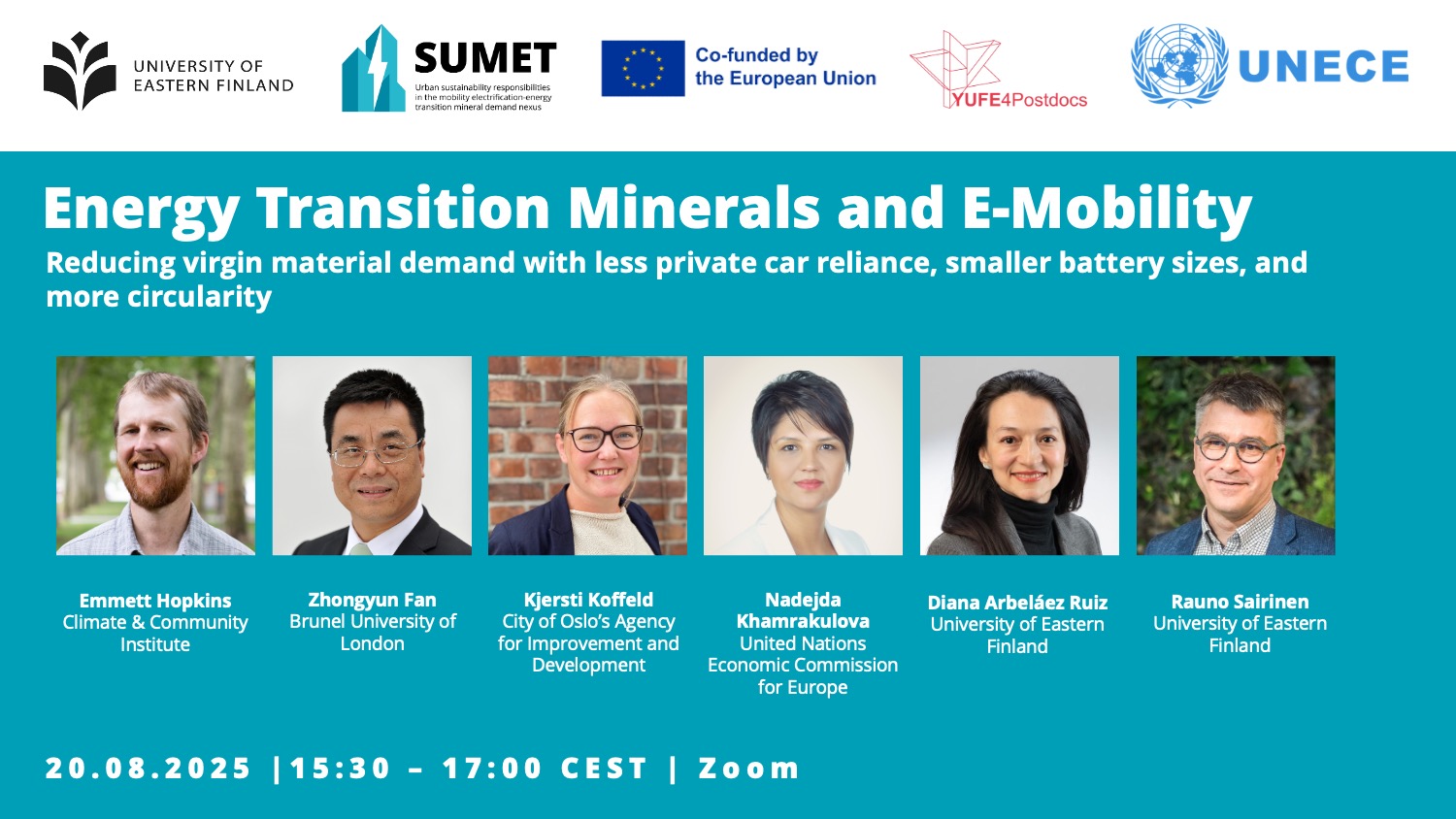
Energy Transition Minerals and E-Mobility: Reducing virgin material demand with less private car reliance, smaller EV battery sizes, and more circularity
Watch the video | 20th August 2025 | 15:30-17:00 CEST | Zoom |
14:30-16:00 London, 15:30-17:00 Geneva, 16:30-18:00 Helsinki, 6:30-8:00 San Francisco
Cities that invest in electric mobility lower greenhouse gas emissions, reduce air and noise pollution, and create healthier public spaces.
This transition also increases demand for energy transition minerals that have become central to geopolitical contentions. The current patterns of resource use are unsustainable and are key drivers of the triple planetary crisis.
Sustainable and responsible e-mobility requires cities to electrify mobility while reducing material intensity, closing resource loops, and taking responsibility for the impacts in upstream value chains.
Cities can play active roles in addressing the triple planetary crisis, including not only climate change, but pollution and biodiversity loss within and beyond cities.
This webinar shares new research on how cities can electrify mobility while using fewer resources and applying circular economy principles. It highlights strategies that can reduce car dependency, reduce battery size, and advance battery material recovery and reuse.
The session invites policymakers, urban planners, researchers, and raw materials experts to explore practical solutions that align climate action with resource efficiency, social equity, and global responsibility.
Speakers
- Diana Arbeláez Ruiz, The University of Eastern Finland, and Ms. Nadejda Khamrakulova, UNECE – Opening and closing remarks
- Emmett Hopkins, Climate and Community Institute – Achieving Zero Emissions with More Mobility and Less Mining.
- Zhongyun Fan, BCAST, Brunel University of London – Full Metal Circulation to Underpin a Sustainable Future
- Ms. Kjersti Koffeld, Senior Sustainability Advisor, City of Oslo Improvement and Development Agency – Practitioner Commentary Based on Oslo’s Experience
Prof. Rauno Sairinen, University of Eastern Finland, shall facilitate comments and questions from the audience after the presentations.