Visitor monitoring and management in protected and recreational areas: new challenges, novel solutions for the Anthropocene
Funders
Main funder
Other funders

This project has received funding from the European Union’s Horizon Europe programme, Marie Skłodowska-Curie Actions.
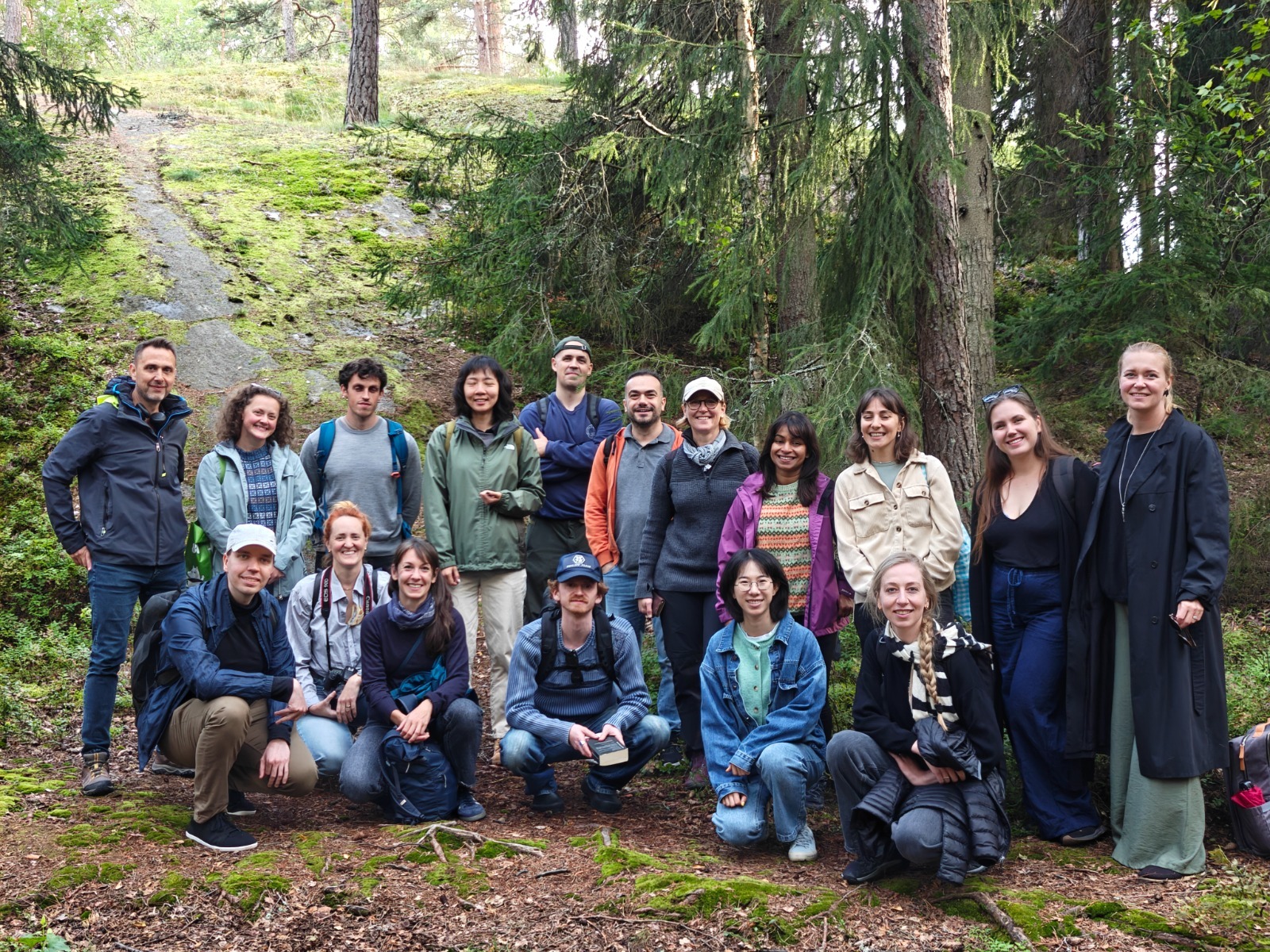
VIMAS doctoral researchers in VIMAS Training school 2 in Finland.
Recreation in the outdoors provides large benefits to individuals and societies, but with increased participation also follows challenges with sustainable management of nature areas. Nature-based recreation has transformed in several ways; besides the increase in volume of visitors, the behaviour of visitors has diversified; visitors partake in a wider set of activities, visit more remote places, take more diversified trips in nature, have different motivations for visitation as well as levels of experience and skills.
New monitoring and management tools honed for the Anthropocene must address the cumulative social and ecological impacts from increased tourism and recreation while striking a balance with ethics, privacy, and equal opportunities.
VIMAS’ primary objective is to develop more efficient governance of nature areas for tourism and recreation, in the best way possible for biodiversity, people’s quality of life and business development. This will be achieved through research about smarter monitoring methods, improved visitor management and more inclusive governance.
VIMAS Strategic objectives are:
• Train the next generation of multidisciplinary scientists that will be equipped with the skills to secure sustainable, knowledge-based visitor management through recruitment of 10 international Doctoral Candidates (DCs) to be assigned to a specific PhD curriculum, to be monitored and supervised in their career development by the multidisciplinary expertise network of the VIMAS consortium.
• Strengthen European geo-digital businesses, public administration, and academia with a cohort of talented, well-connected researchers with the qualities to become leading European professionals in visitor management and planning.
The innovations of VIMAS are to realise potential from new knowledge developed in the intersection between quantitative and qualitative social sciences, ecology, and geo-informatics technology based on inclusive approaches for non-agency stakeholders and citizens.